A complete catalog
Every D&D video game,
from 1975 to today.
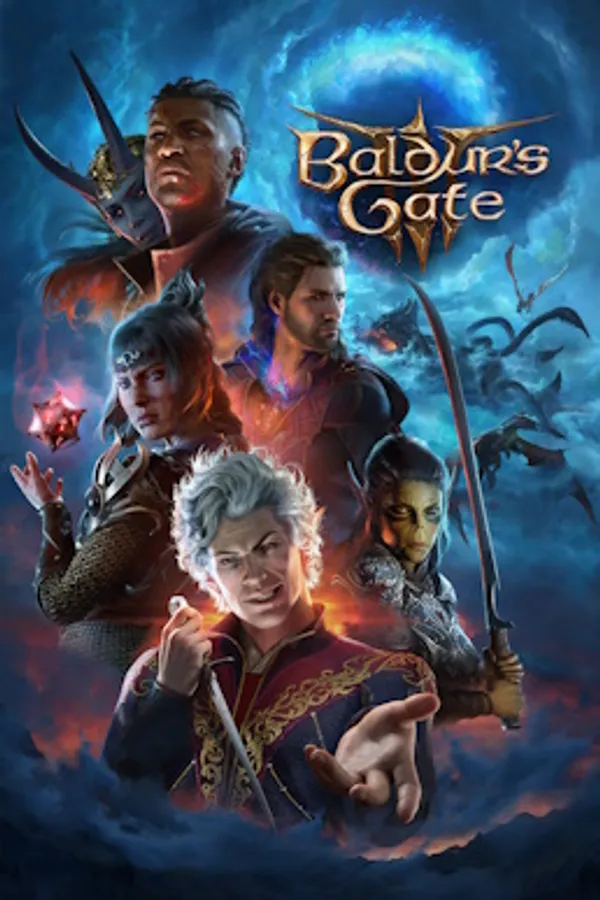
From the Gold Box era through Baldur's Gate 3 — every dungeon crawl, every party-based CRPG, every hack-and-slash. Filter by platform, edition, and setting. Search by name. Discover what you missed.
91 games
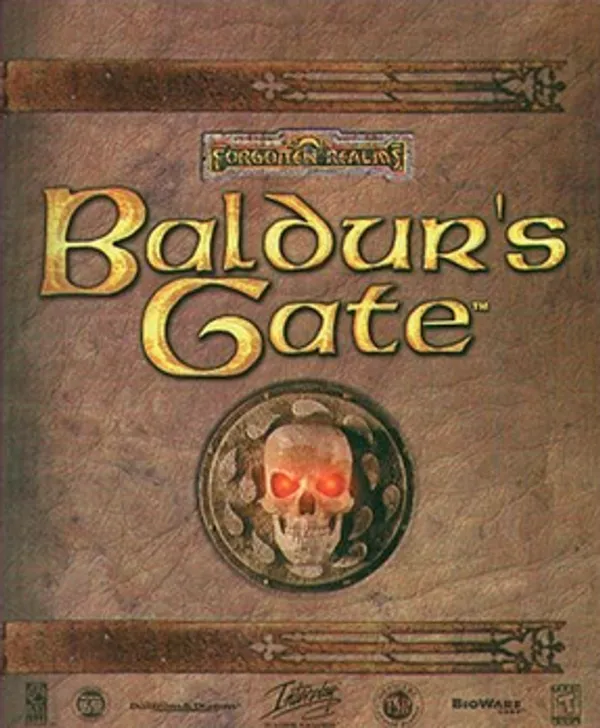
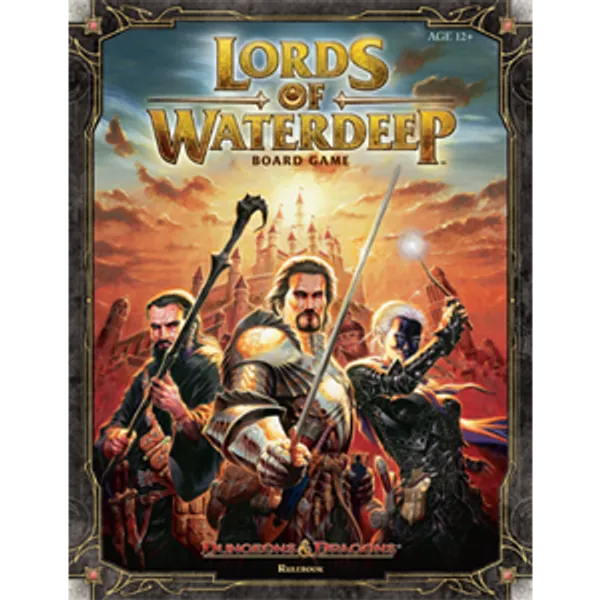
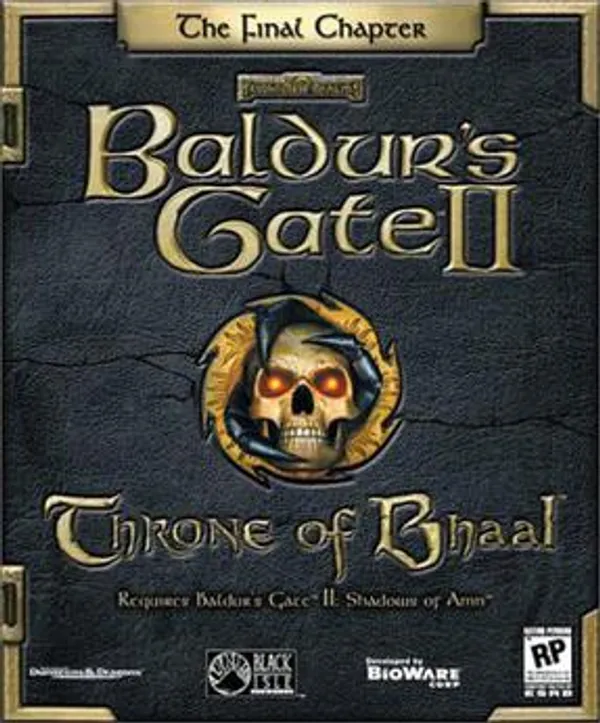
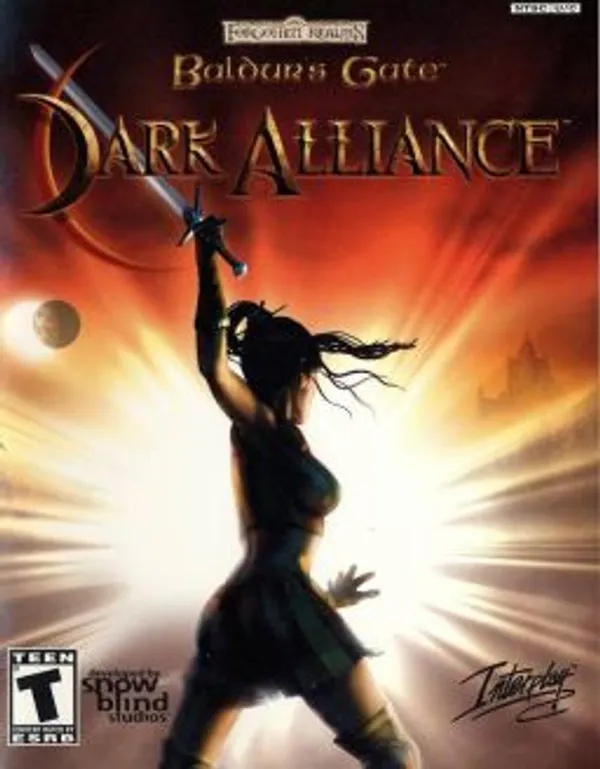
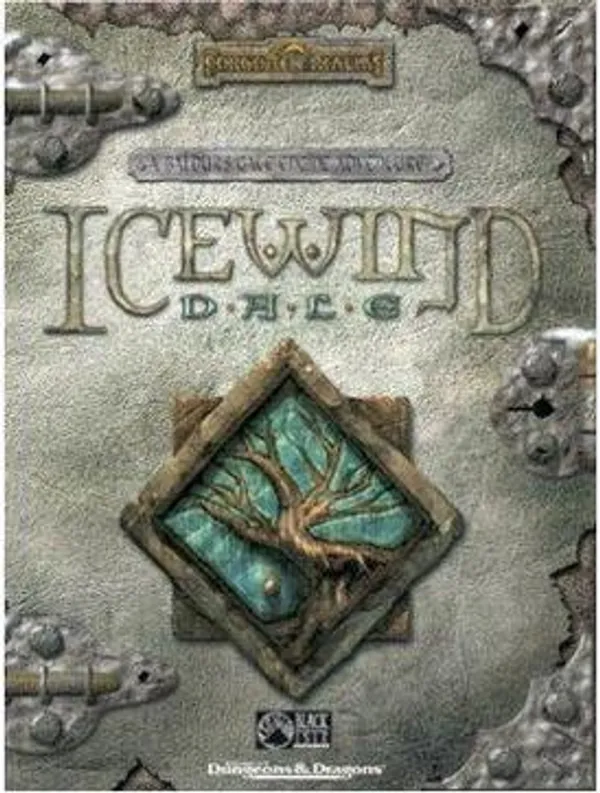
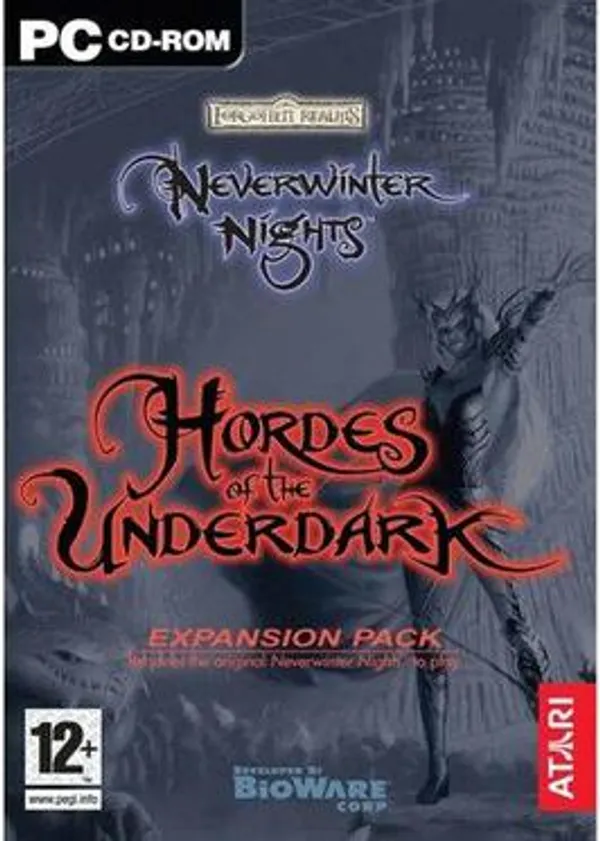
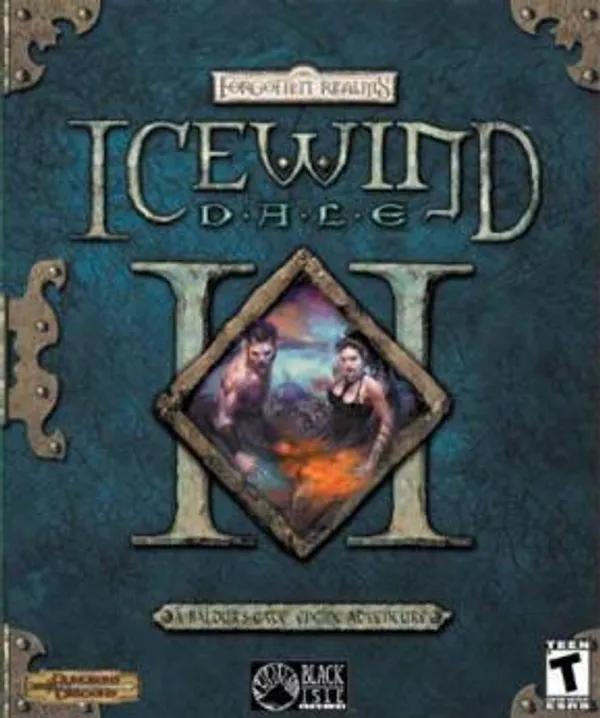
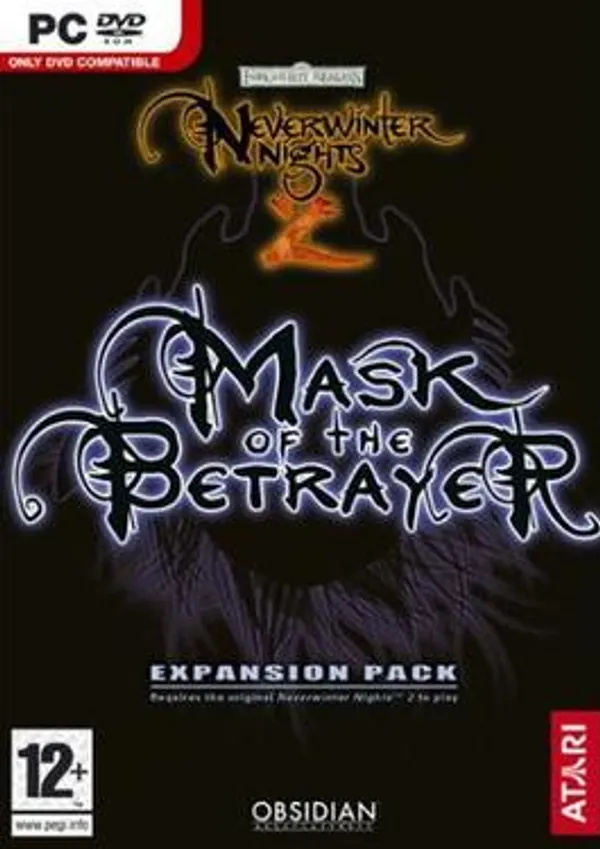
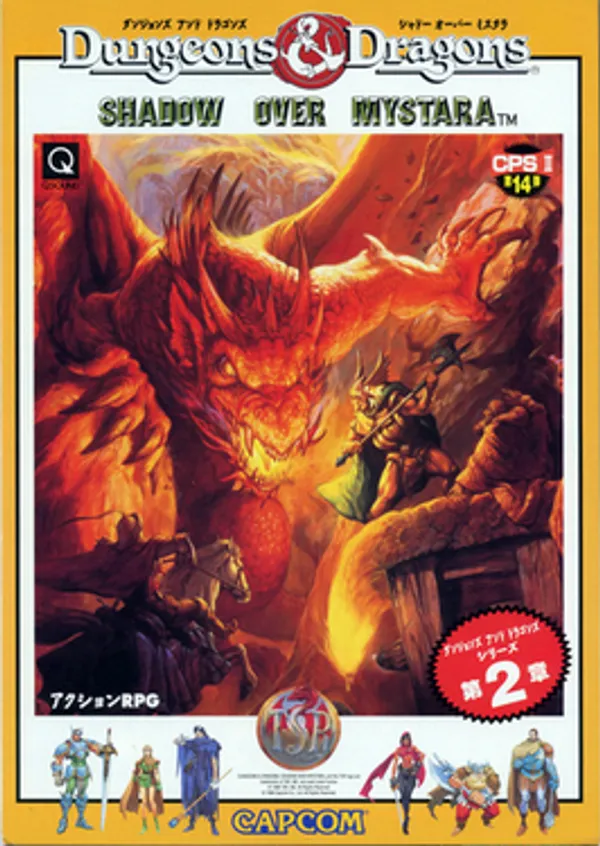
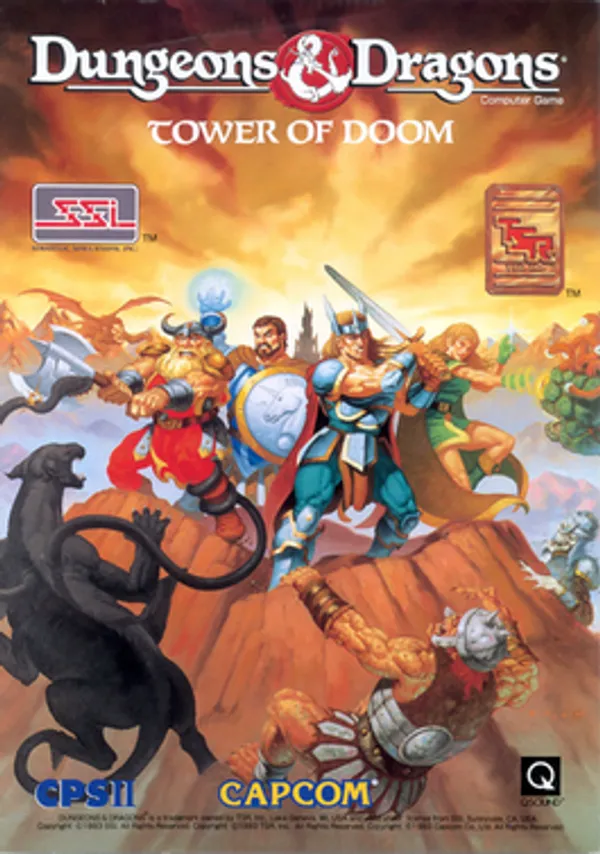
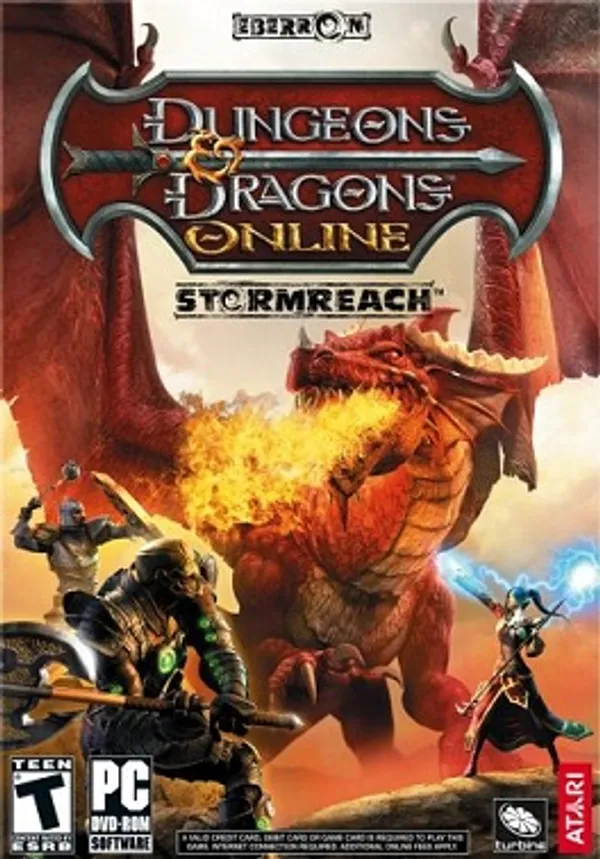
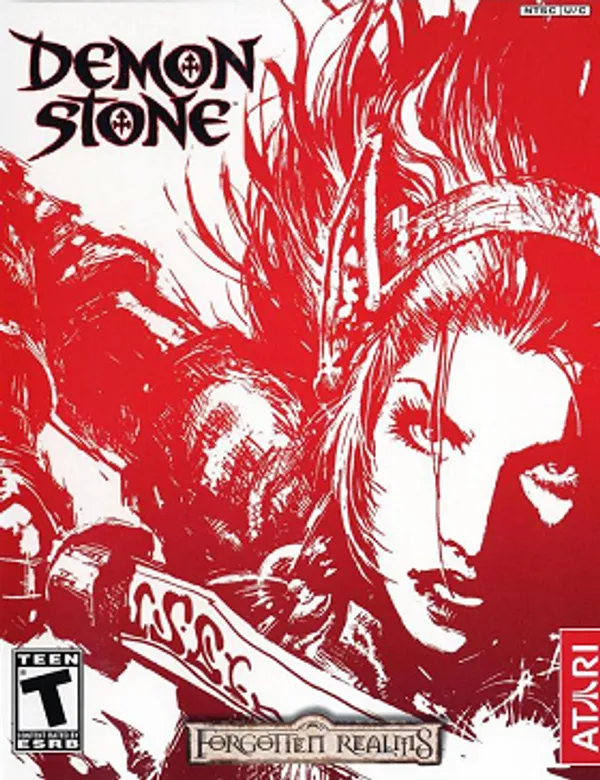
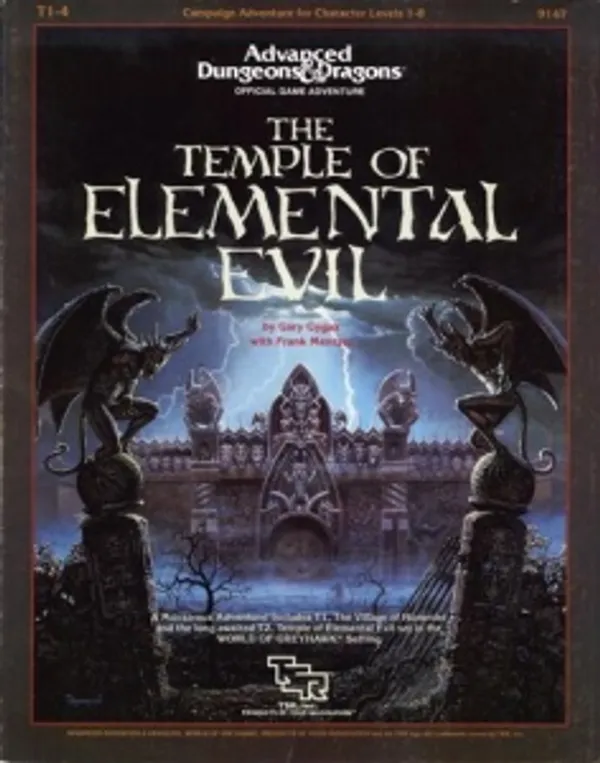
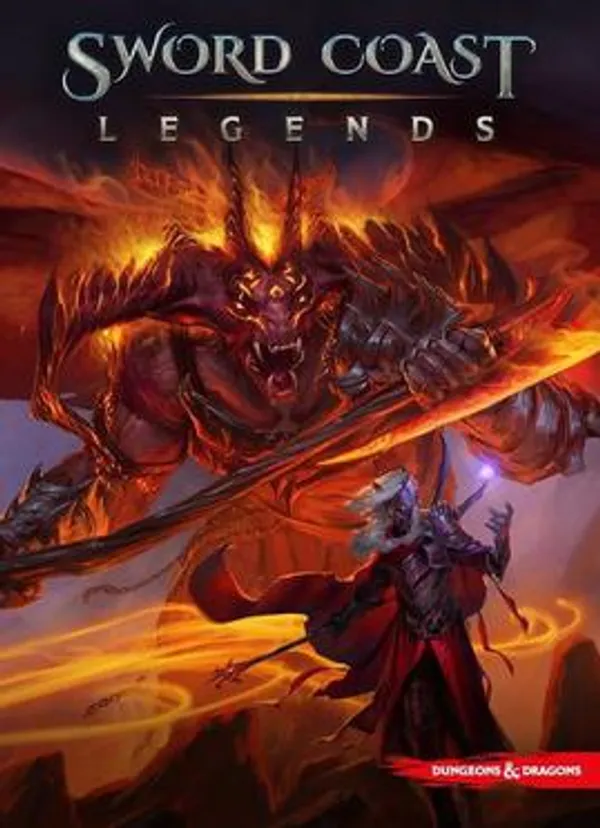
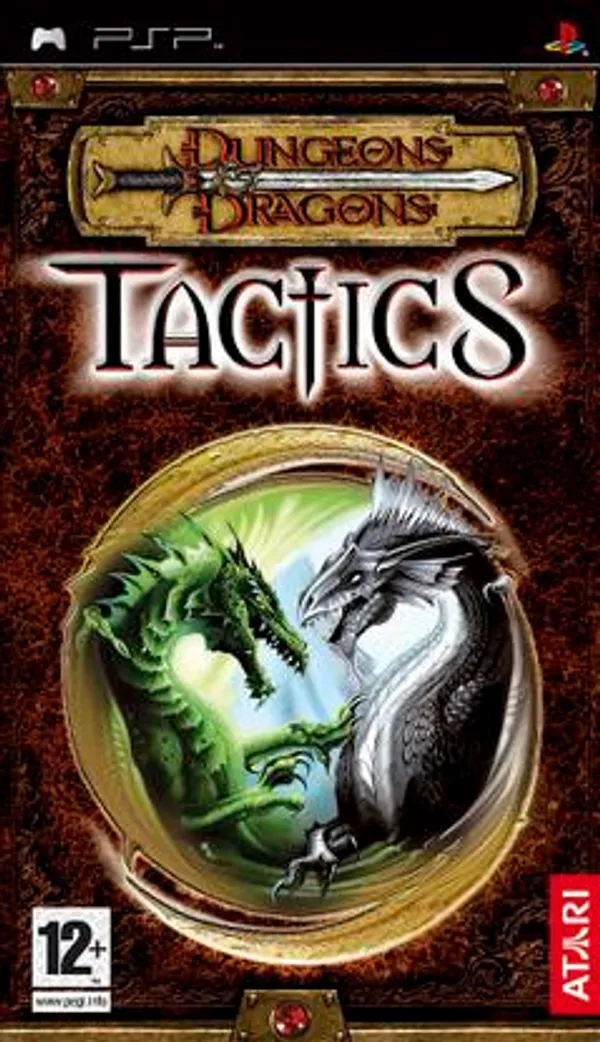
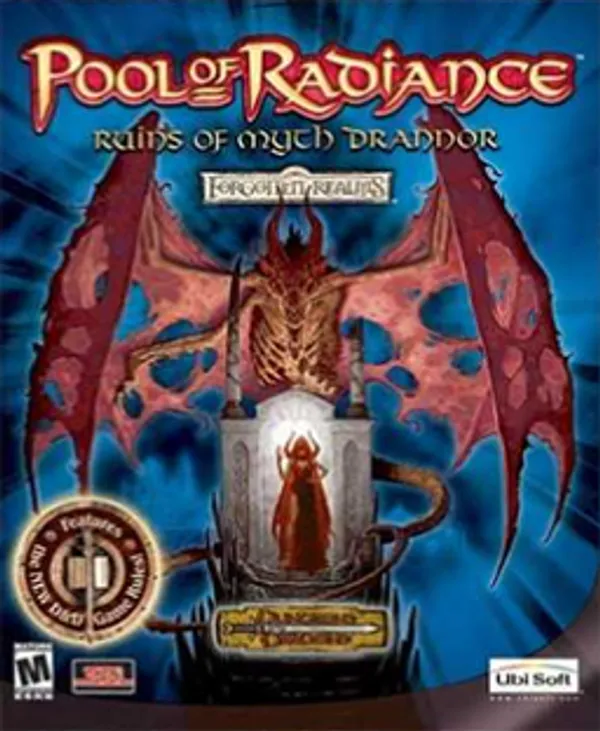
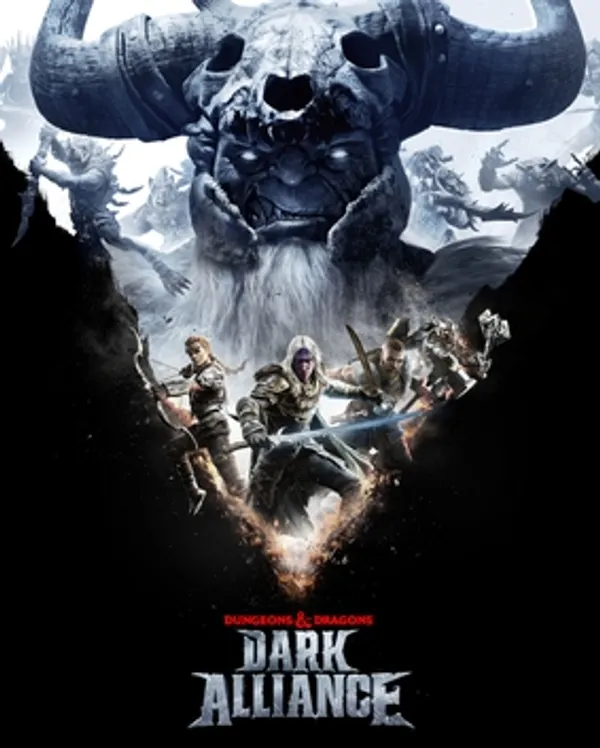
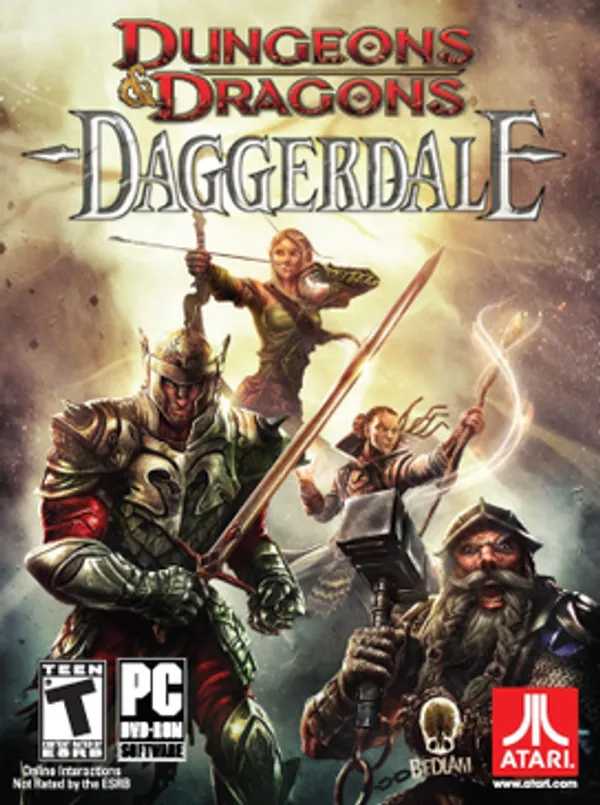
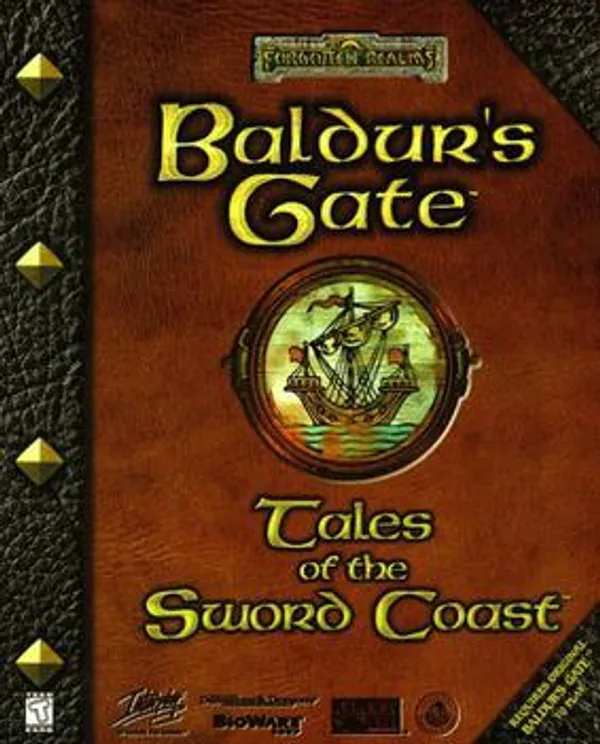
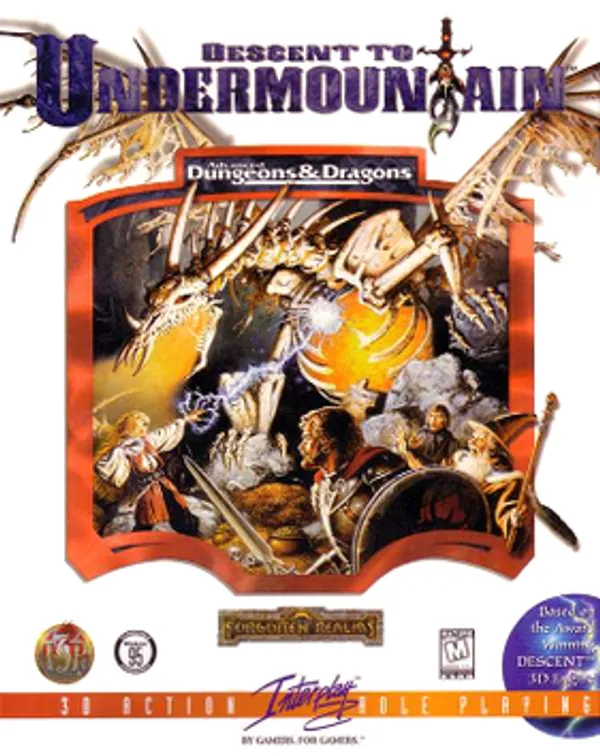
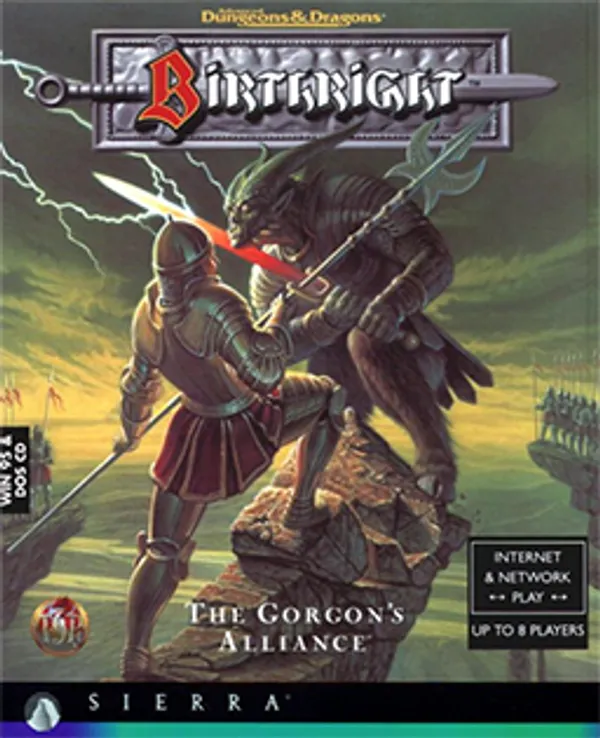
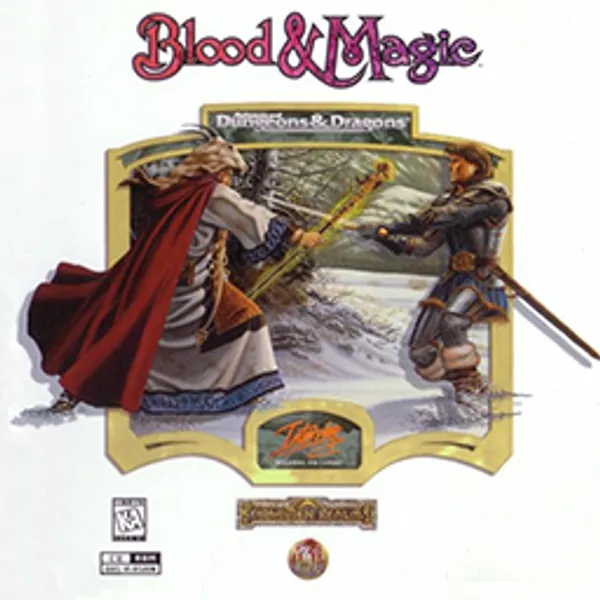
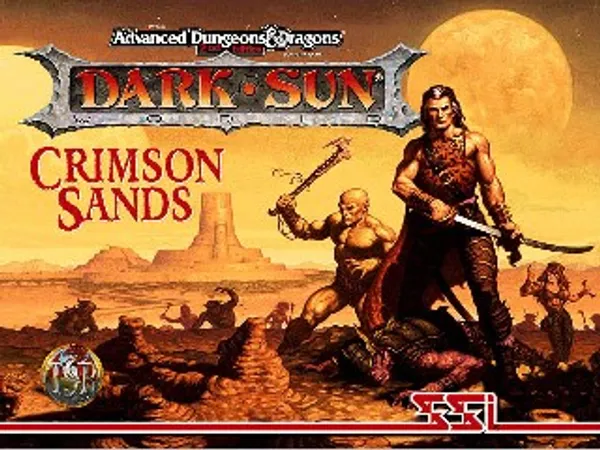
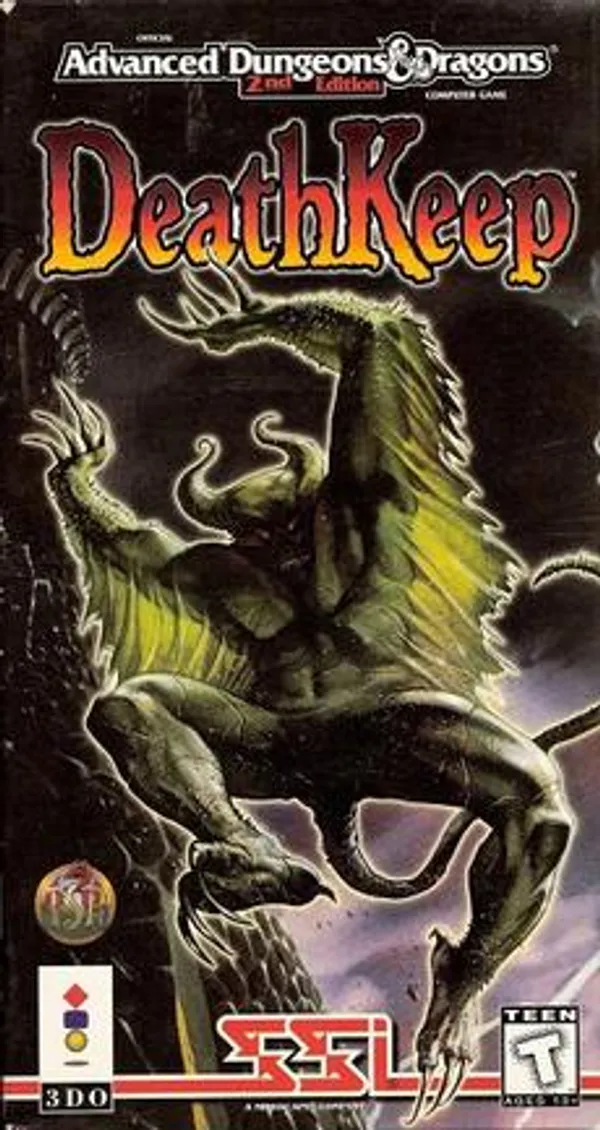
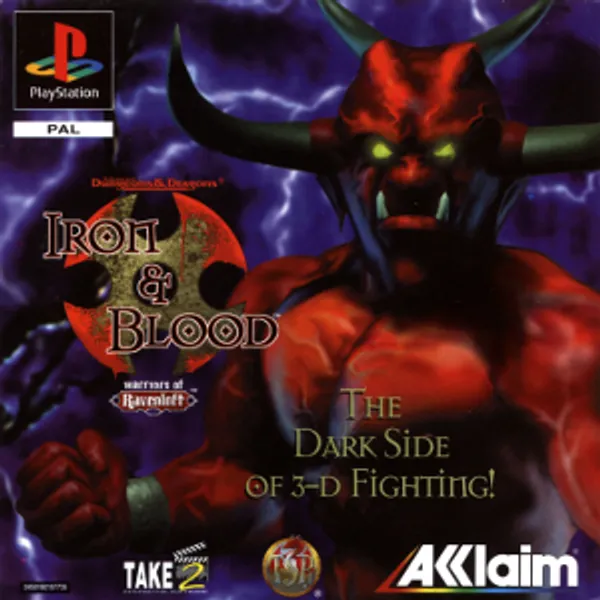
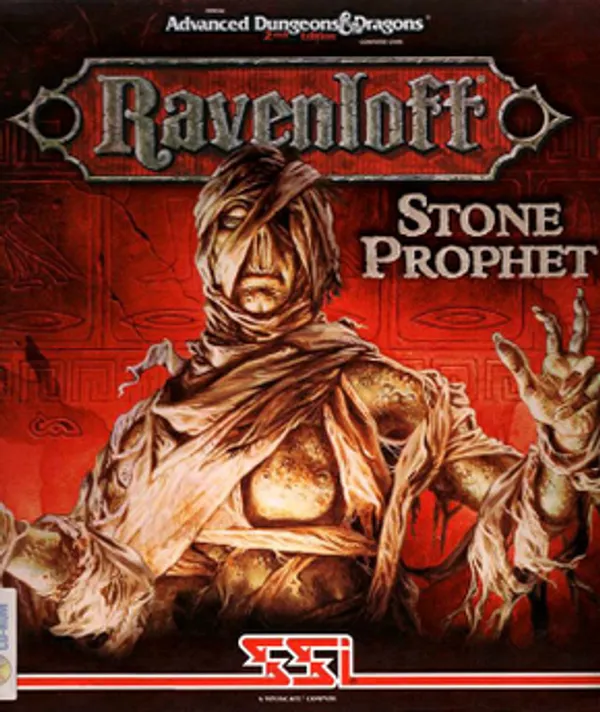
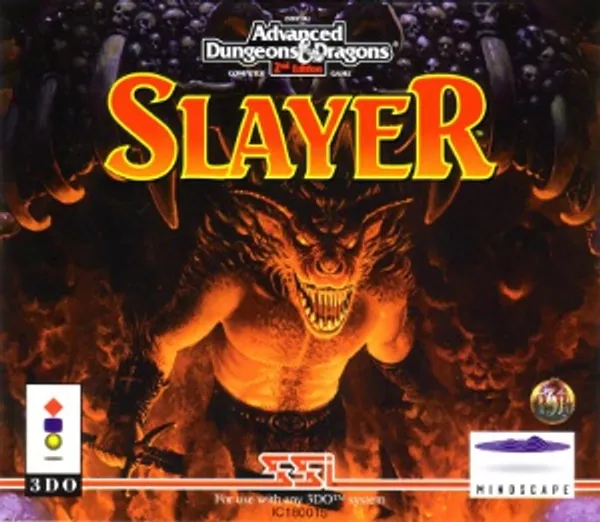
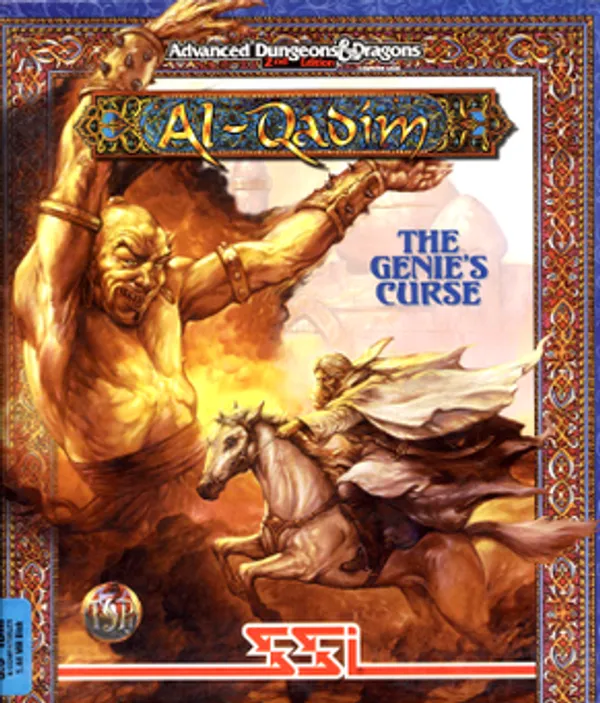
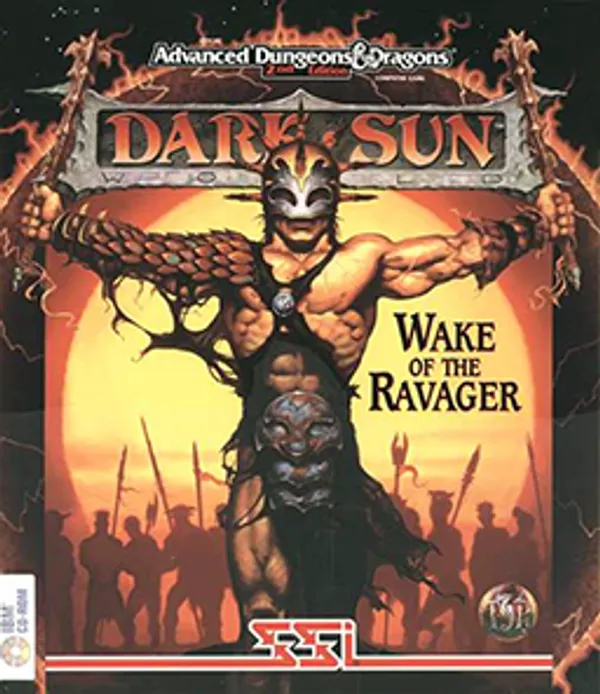
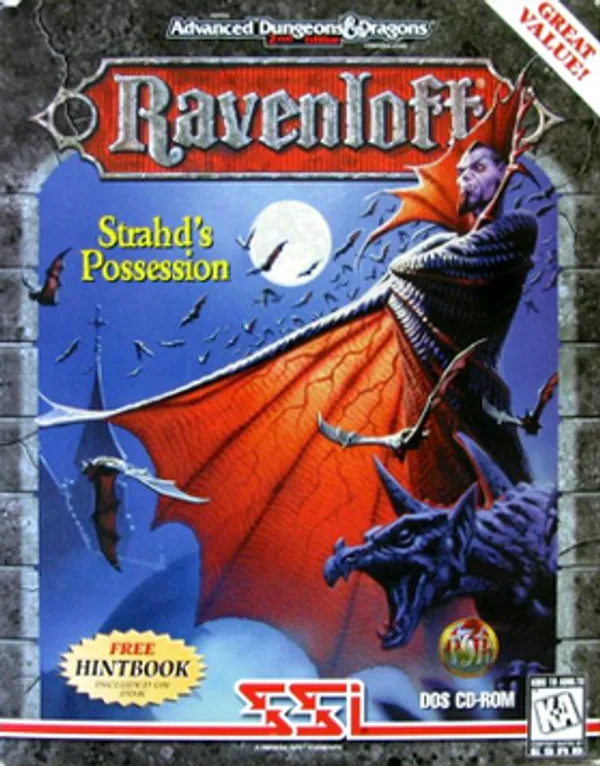
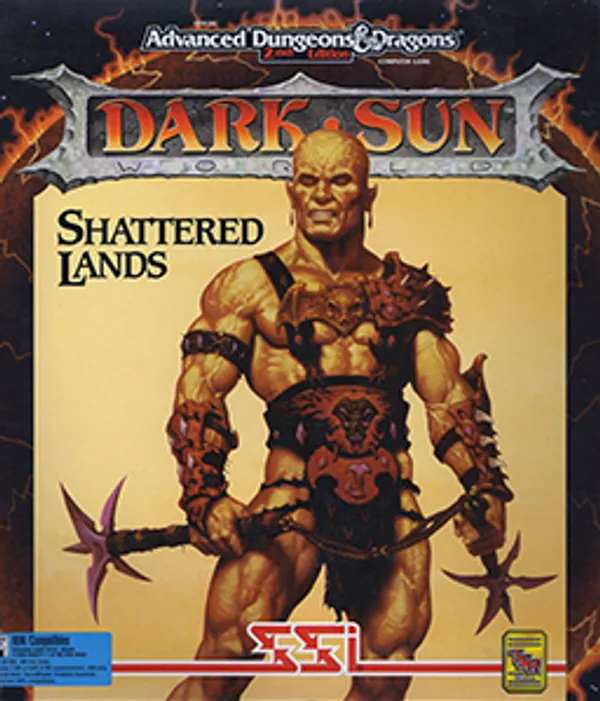
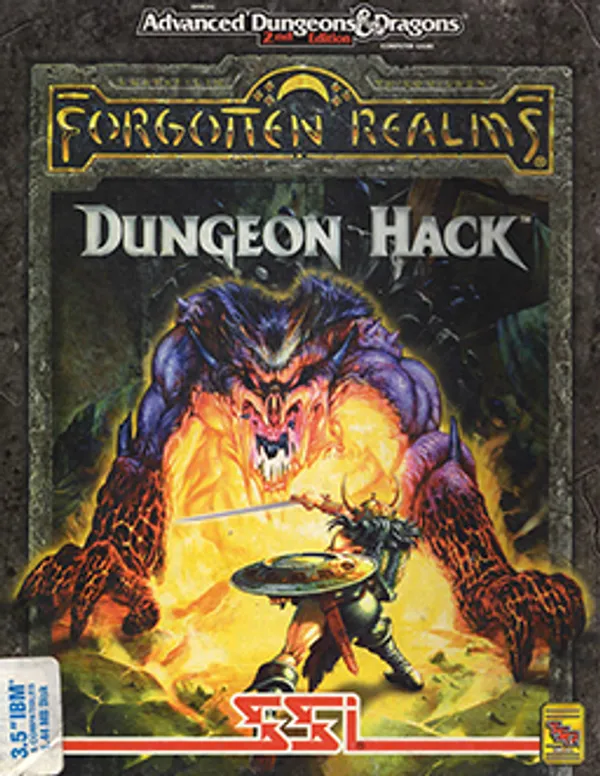
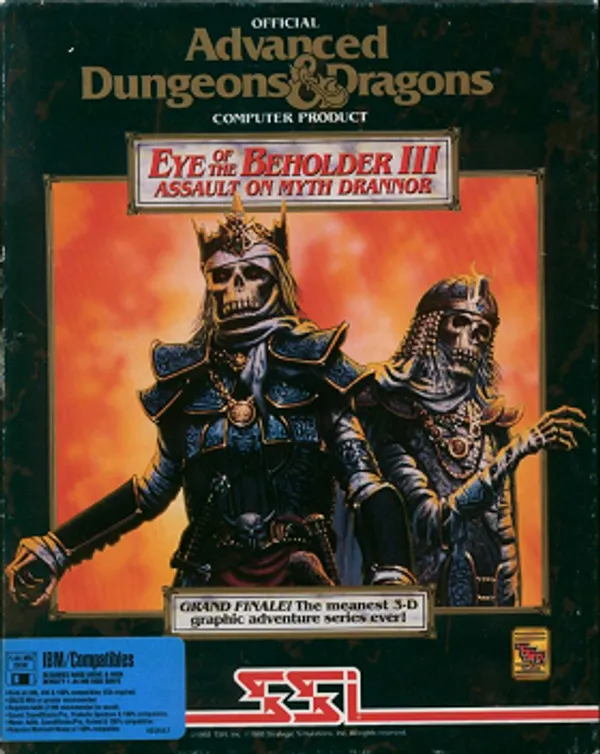
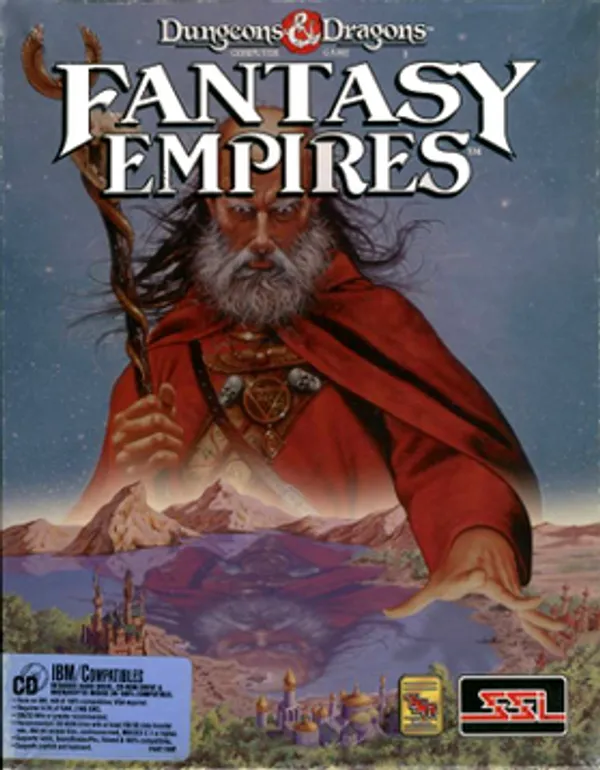
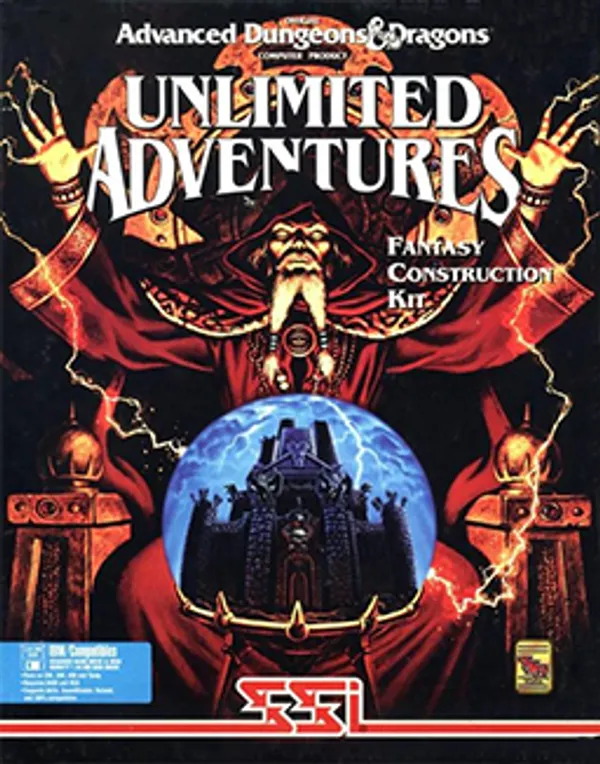
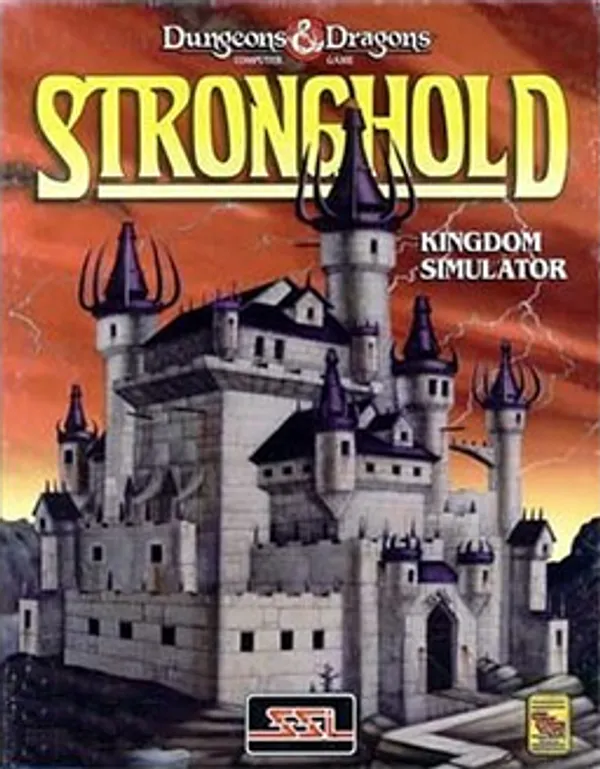
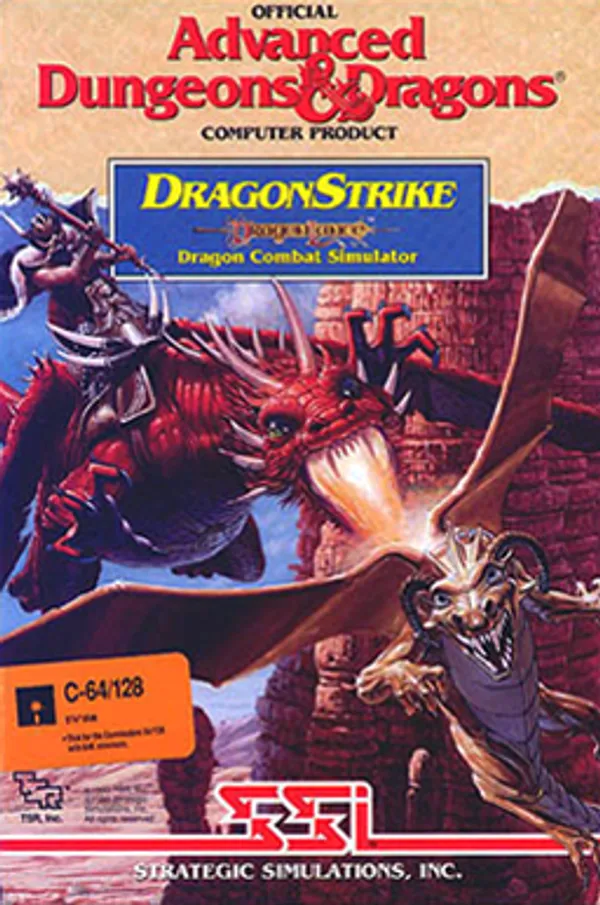
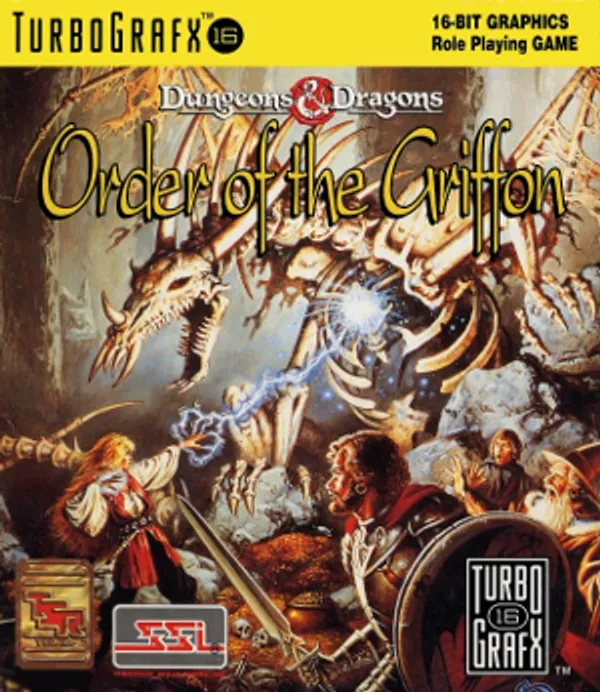
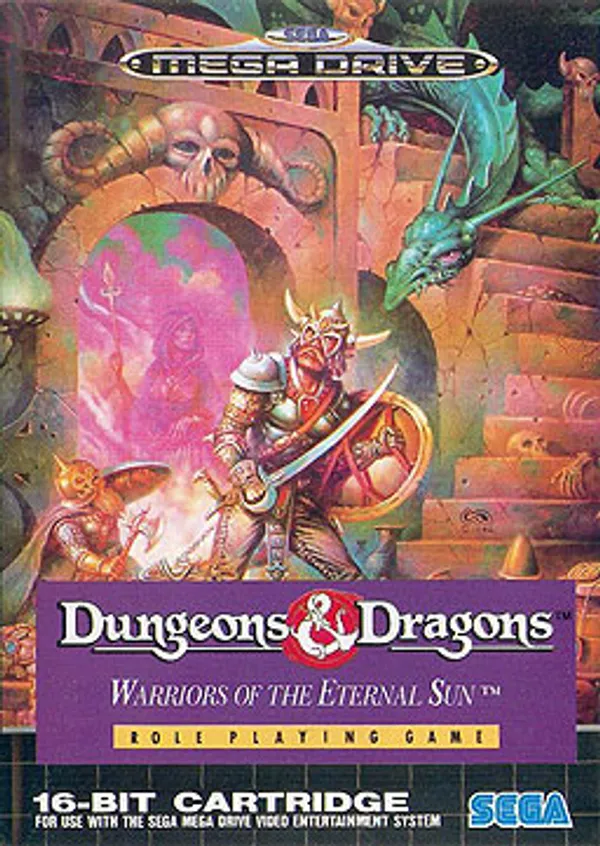
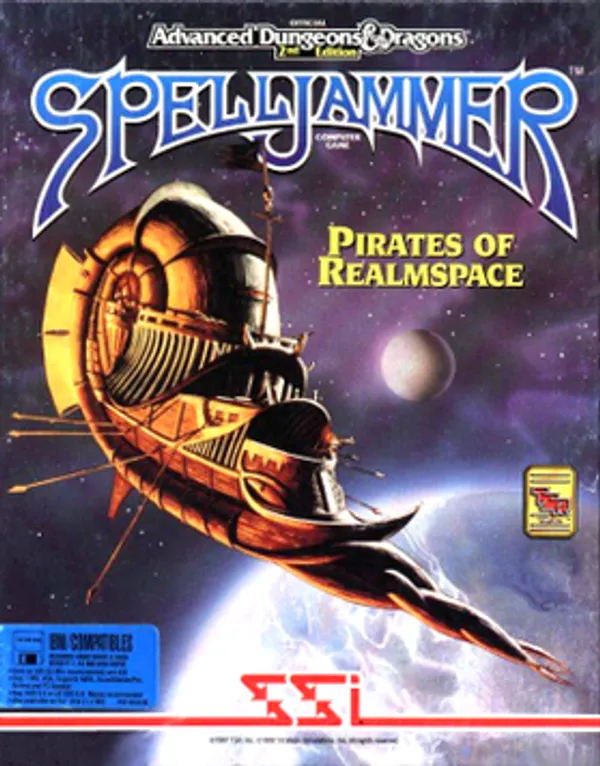
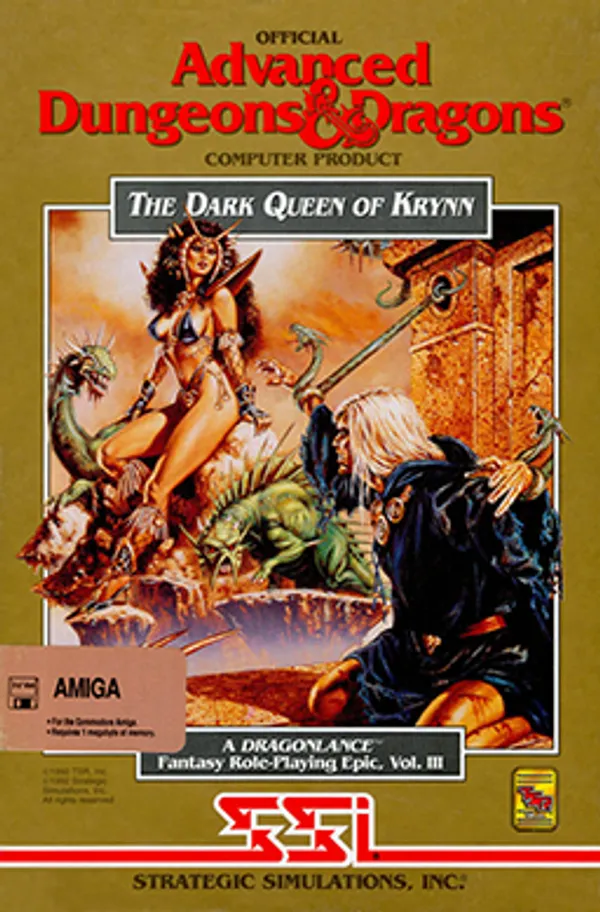
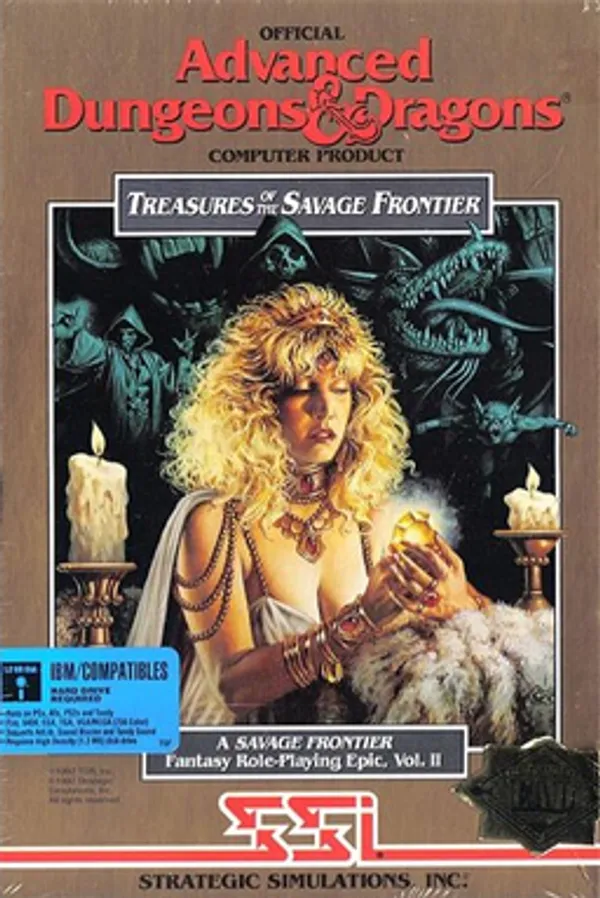
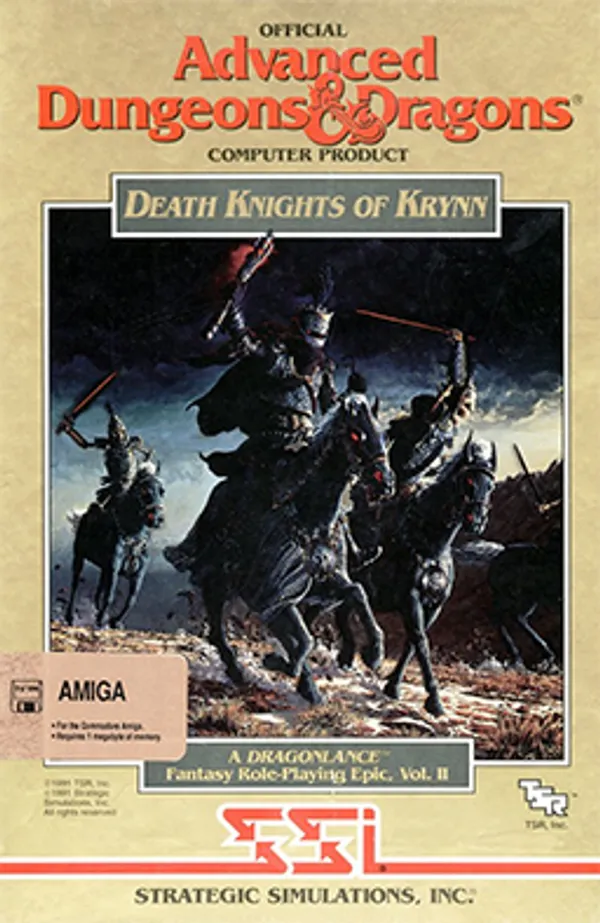
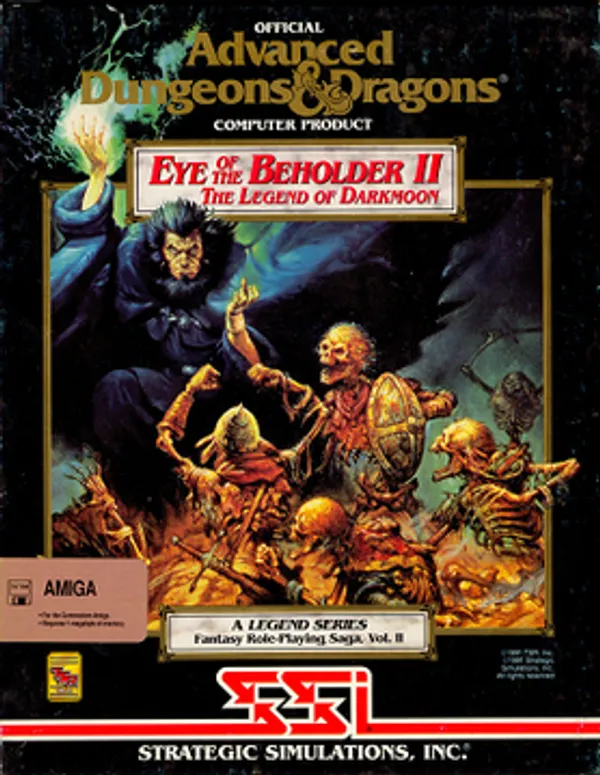
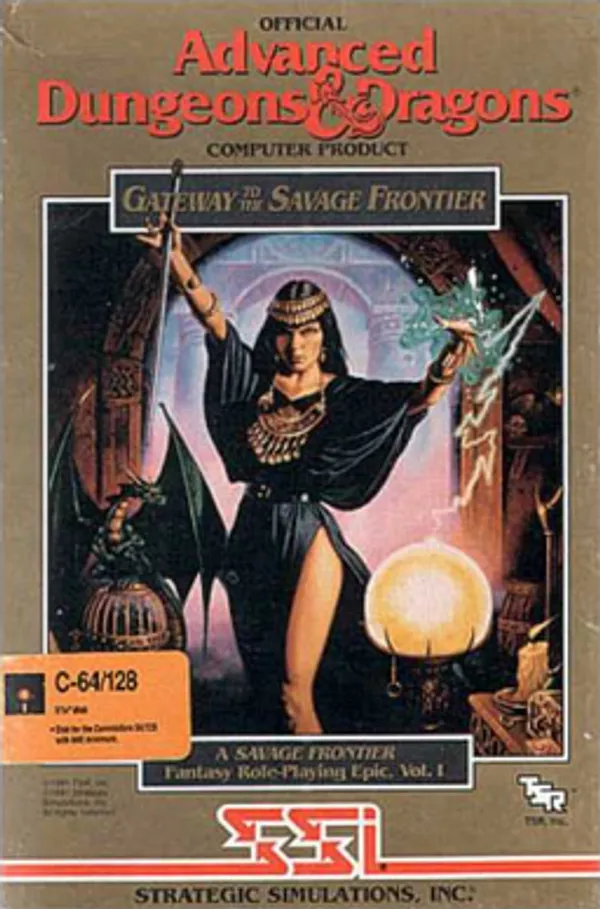
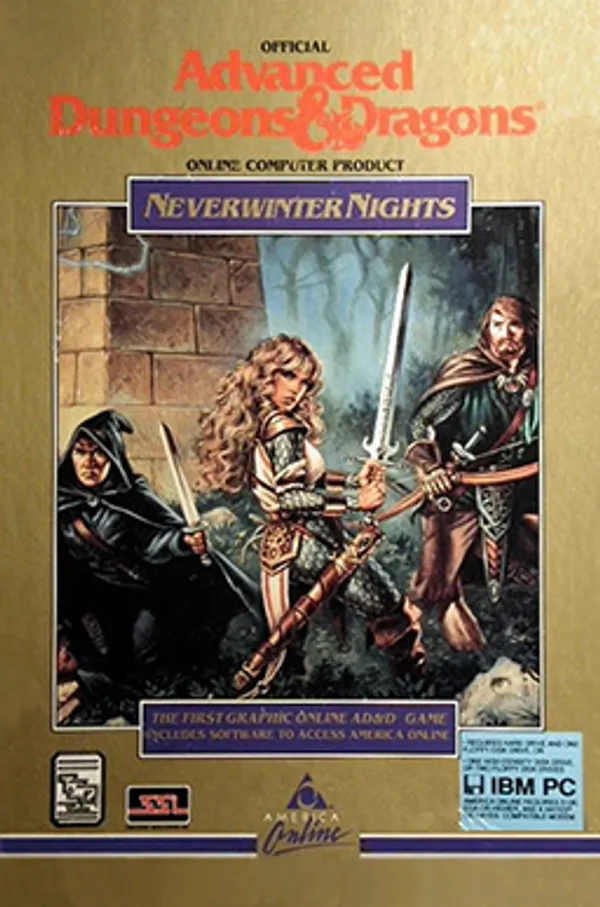
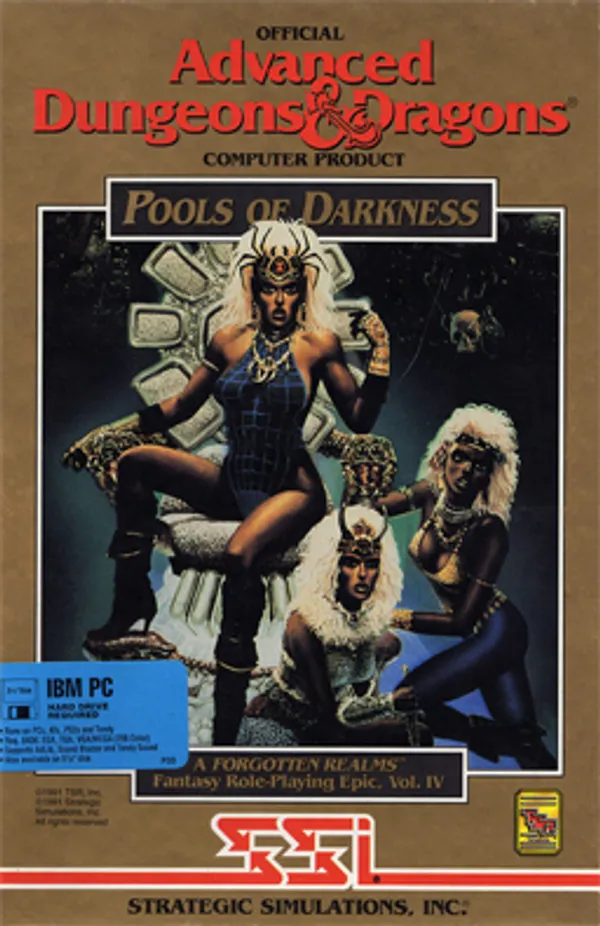
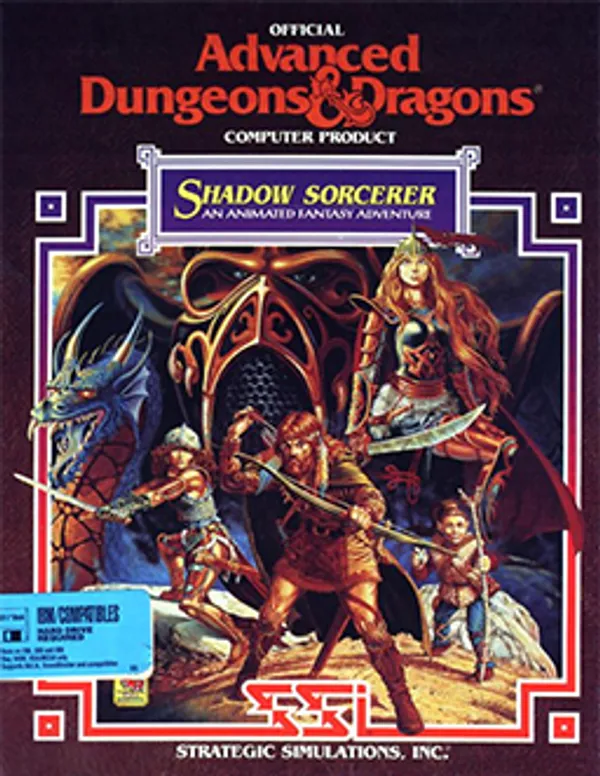
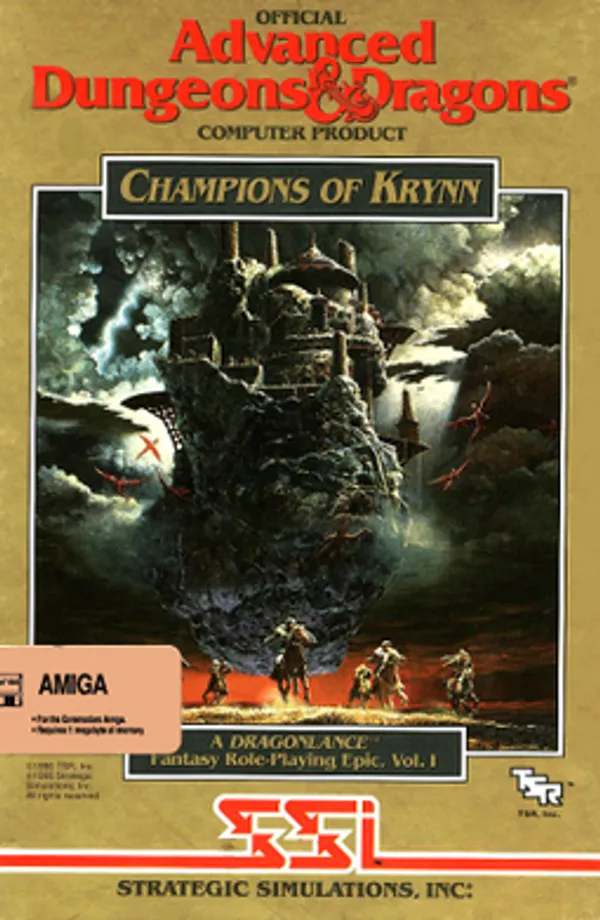
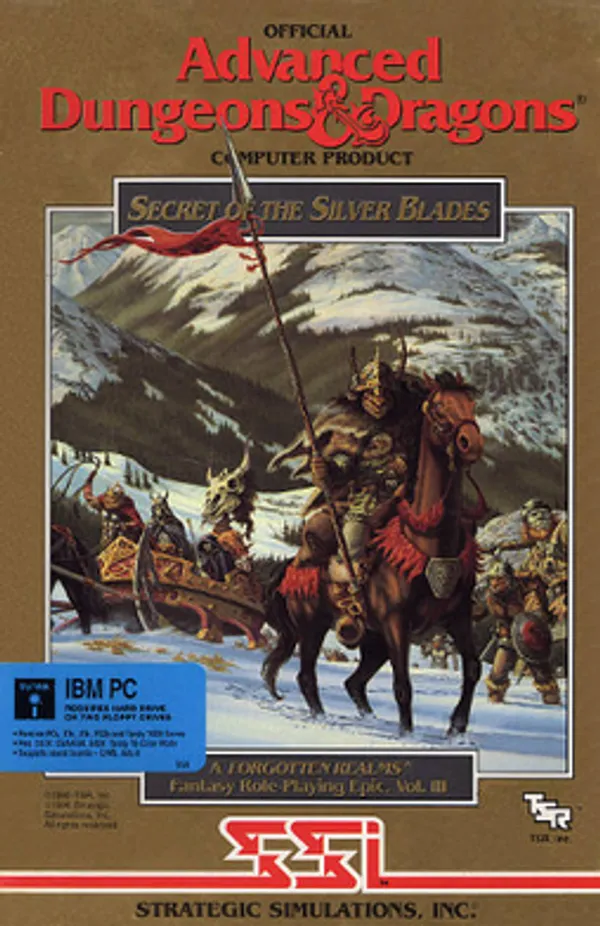
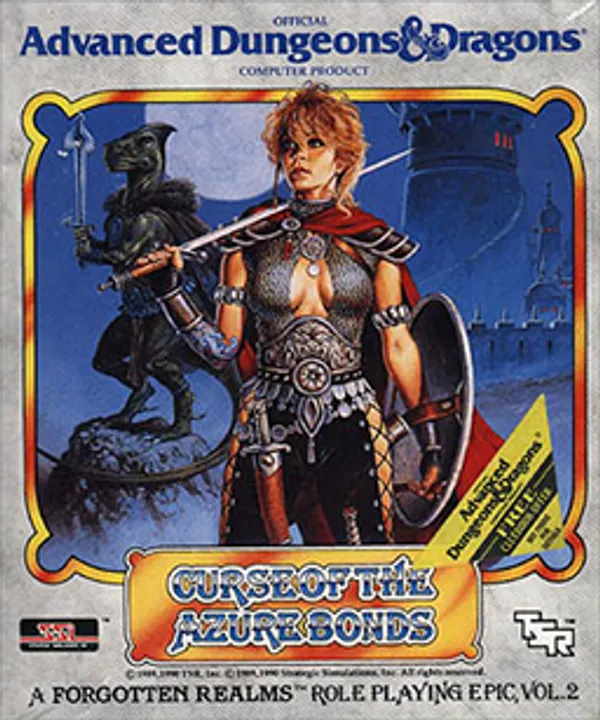
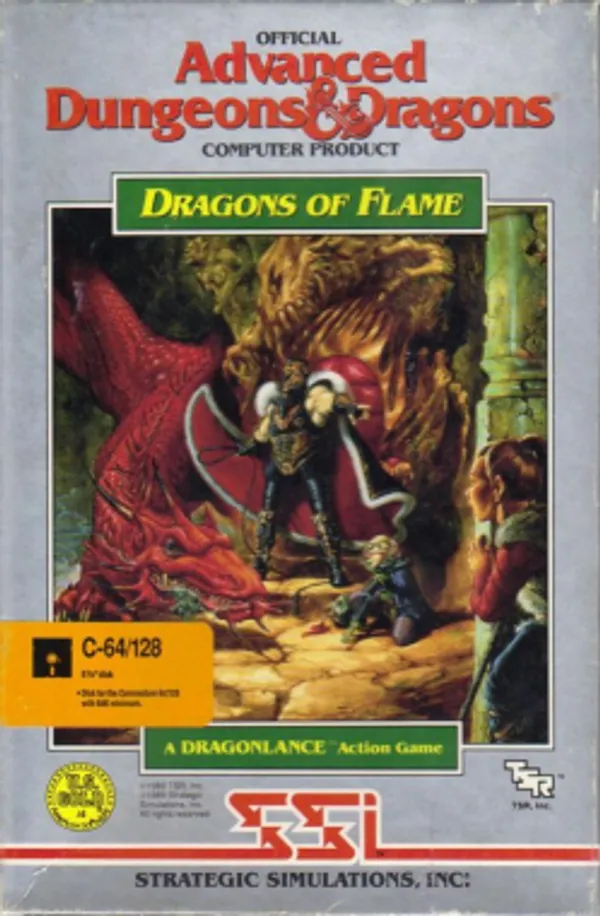
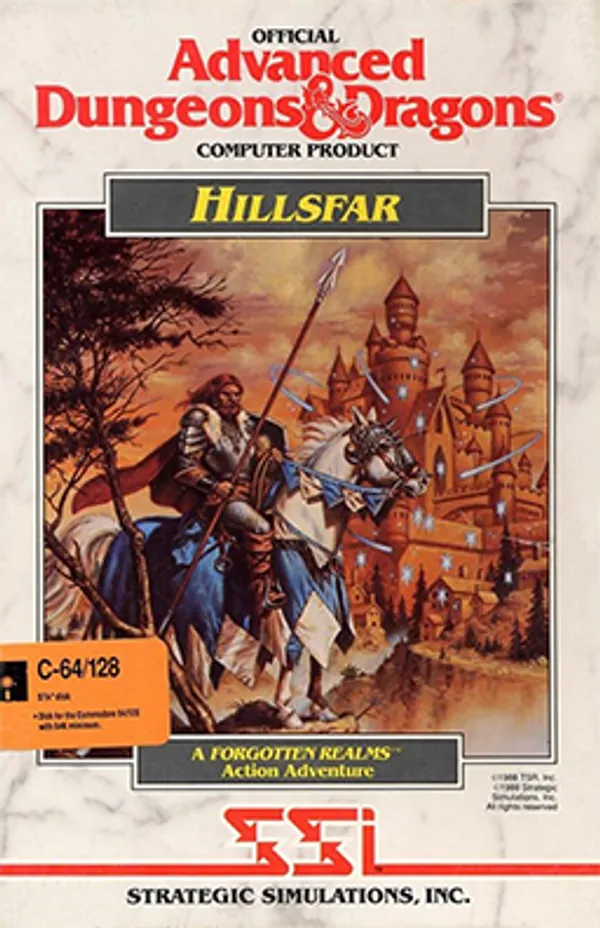
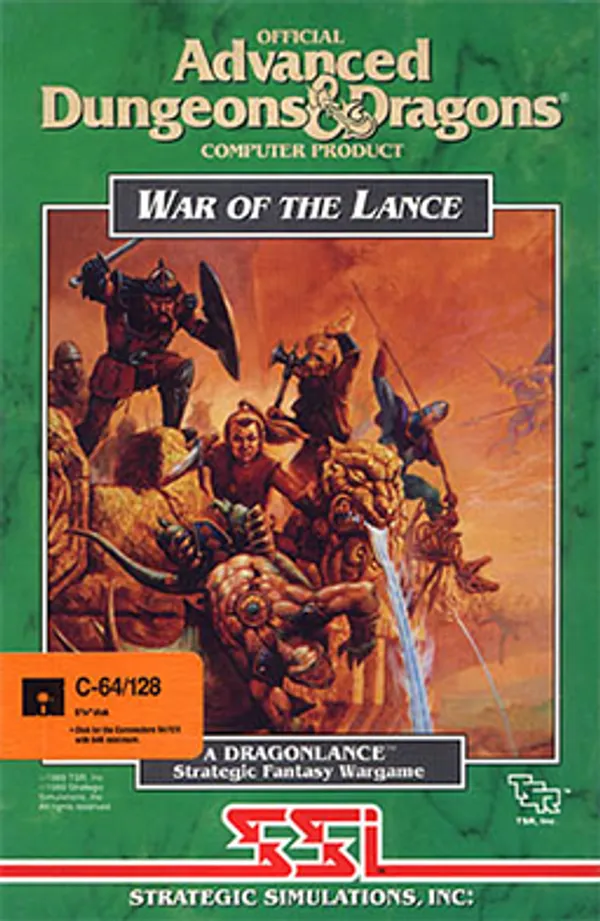
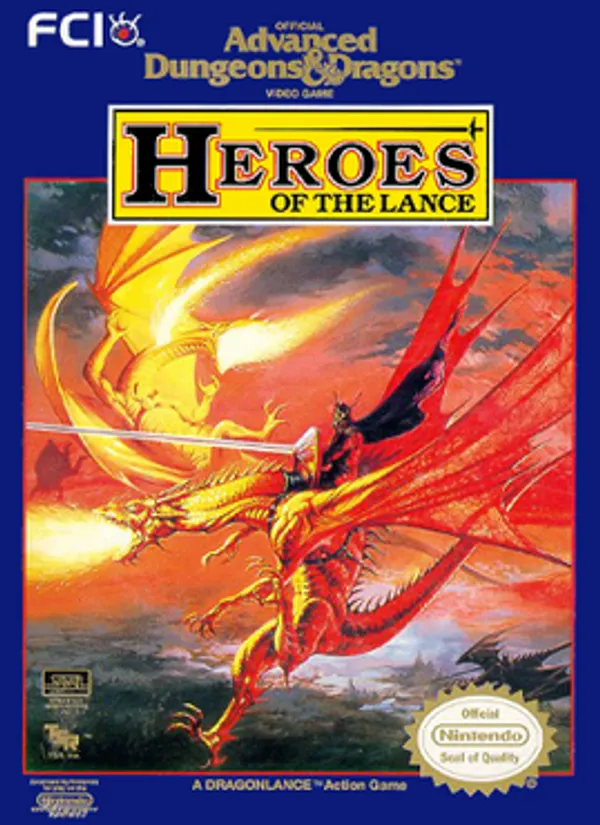
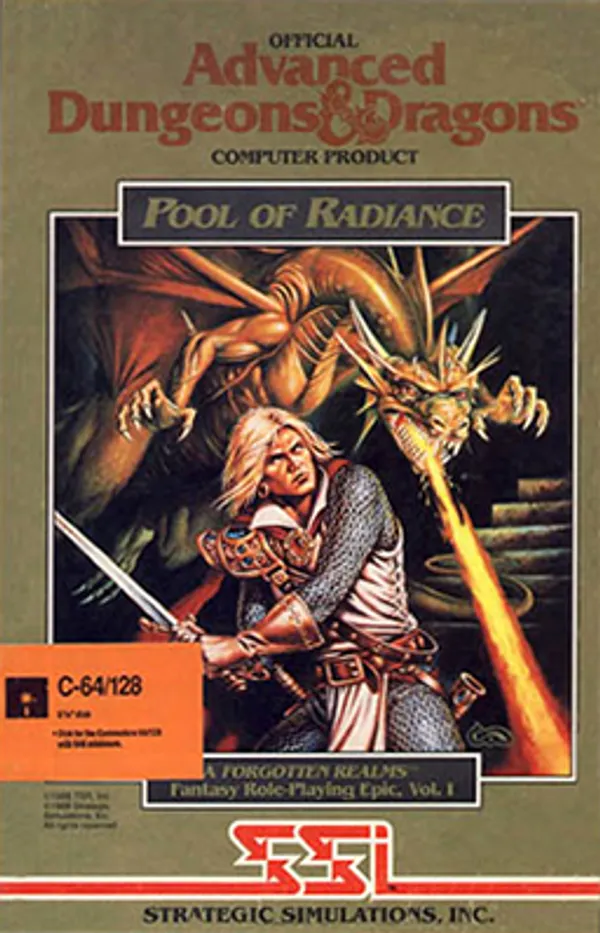
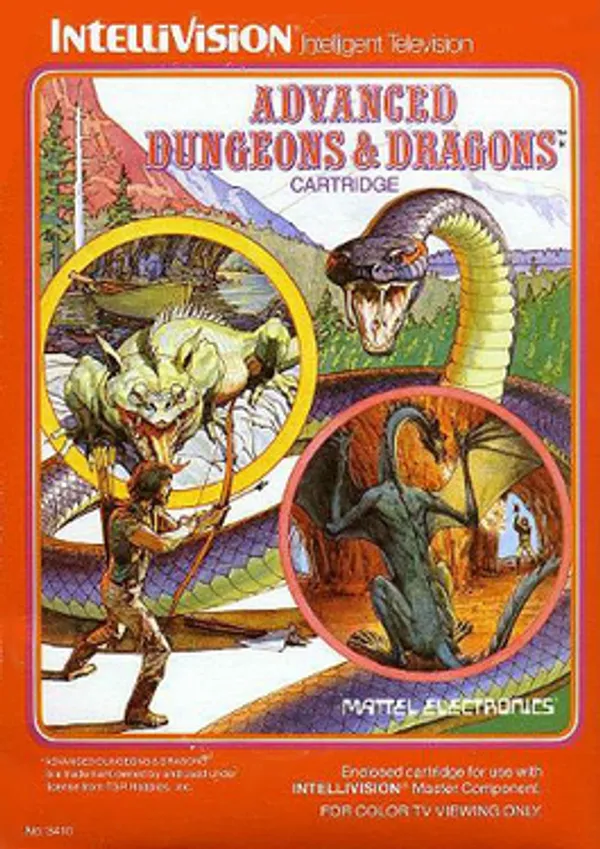
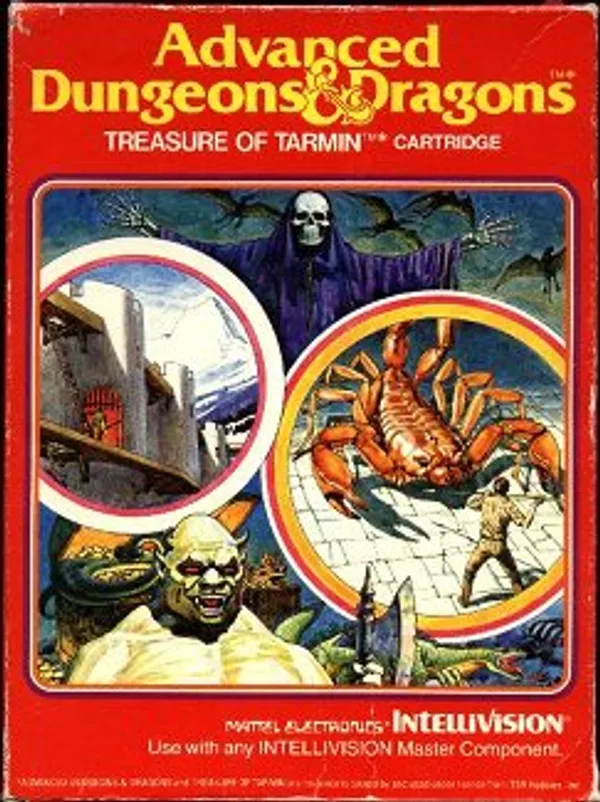
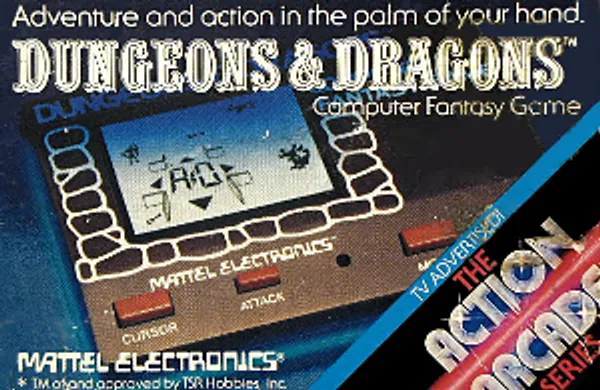
Inclusion criteria Official D&D games by default; D&D-inspired titles under their own tab.
This catalog is, first and foremost, a complete record of officially-licensed TSR / Wizards of the Coast Dungeons & Dragons video games — and that's all the front page shows by default. A small set of D&D-inspired titles is catalogued separately under the D&D-inspired tab in the toolbar (an All tab combines both) — kept out of the main list but not dropped entirely, because they're too historically or mechanically significant to D&D's story on the computer to leave out.
An entry qualifies as unofficial if it meets one of two tests:
- Foundational, pre-license D&D games. The 1970s–80s titles that were D&D on a computer before any license existed — the PLATO dungeon crawlers (pedit5, dnd, Moria, Oubliette, Avatar) and Telengard. These directly implemented D&D's classes, levels, and combat; they are the origin of the entire genre this site catalogs.
- Games built on a published, D&D-derived ruleset. Titles that run on the d20 System or its Open Game License descendants — Solasta (the D&D 5e SRD), the Pathfinder CRPGs (Pathfinder is D&D 3.5 under the OGL), and the Knights of the Old Republic games (Star Wars d20, derived from D&D 3rd edition). Not WotC products, but mechanically D&D in all but name.
Where we draw the line: games merely inspired by D&D that run on their own bespoke systems — Wizardry, Ultima, Might & Magic, Rogue and the roguelikes, Pillars of Eternity, and the like — are not listed. They're genuine descendants of this lineage, but including them would turn a D&D catalog into a general CRPG catalog. The test is rules, not vibes: a game is in only if it implements D&D's rules or a published ruleset derived from them.